
 |
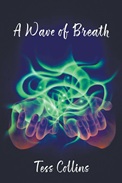
The novel imagines a world transformed overnight when red water begins to flow from household faucets, signaling the collapse of society and the onset of a dystopian struggle for survival. As food, clean water, medicine, and safety become scarce, communities fracture into groups seeking either protection or destruction. In the midst of this chaos, Brooklyn Tremain, known as Sulis, leaves her home and the people who depend on her to search for Martin, the man she loves, who vanished without explanation. Her journey across a devastated America is marked by near constant danger, shifting alliances, and fragmented memories of her life before the world changed. Through flashbacks, readers learn about her relationship with Martin and the secrets he kept, secrets that may be tied to the very disaster she is now trying to survive.
As Sulis travels, her motivation evolves. What begins as a quest to ensure Martin's safety becomes a search for truth and accountability. The more she uncovers about his past, the more she questions whether he is a victim or a participant in the world's collapse. This tension exposes a deeper thematic thread: Sulis' choices mirror the generational patterns she inherited. Collins uses this parallel to explore family cycles, inherited trauma, and the complicated ways devotion can blur into danger.
While the dystopian landscape is vivid, and Sulis' resilience is compelling, the emotional bond between Sulis and Martin remains intentionally understated, shaped more by mystery and discovery than by traditional romance. This subtle distance allows the novel to focus on Sulis' growth, her determination, and the generational patterns she must confront as she searches for answers in a fractured world. The novel ultimately becomes a story about survival, truth, and the courage required to face both the past and the future in a world already broken.