
 |
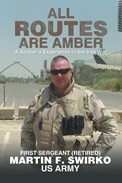
This account of a first sergeant's tour of Iraq during the war in the early 1980s describes procedures, protocols, cultural exchanges between and among Iraqis and Americans, and his personal experiences and observations. Swirko's sensitivity during this time is impressive. From his first days, the author declined "softer" options for his military service, such as a possible job as "a dental assistant." An education awaited the author. He remarks about dealing with people with whom he was obliged to work, while feeling that he "could not quite trust them." Commenting on the culture of the Muslims that he knew, the author observes that a certain fatalism strongly influenced the people's actions. Some Americans had no regard for the Iraqis or their culture. Of course, the prejudice, condescension, and disrespect shown to the Iraqis increased major animosities among people.
The "Amber" of the title indicates an area that may be entered but is not considered to be safe. Soldiers receiving an amber warning are on high alert, and thus, as the title implies, it was a frequent condition among service people. The book is comprehensive in its explanations of the US Army's training and expectations of the military personnel at the time, as well as the meanings of some of the abbreviations and acronyms used. The text is clear, and Swirko defines his work and the intellectual, emotional, and physical efforts in ways that respect the reader's intelligence and the ambiguities of multiple situations. The book will enlighten any reader who wants to learn about the climate in which soldiers worked during that time, thanks to its clarity and attention to detail that civilians can't experience.