
 |
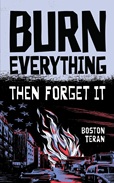
In 1957, ten-year-old Bill Castle witnessed the murder of his mother, Mary Buergos, who was attacked with a knife by a man in a subway. After her death, Bill's uncle, Warsh, took him in. The trauma from losing his mother prevented Bill from finishing high school, and he ended up working at his uncle's gas station. Years later, Bill reunited with Viola, the daughter of Warsh's friend Charlie Dash. Viola and Bill had known each other as children, and their friendship soon blossomed into a romantic relationship. However, Charlie disapproved of their relationship, viewing Bill as a troubled soul. To help Bill regain control of his life, Viola enlisted attorney Gardner Flynn to investigate Mary Buergos' murder, even offering a reward for information. A woman eventually named the killer, but Bill, Gardner, and Viola questioned whether her claim was genuine or a ruse.
In his work, Teran addresses themes such as voting rights, segregation, racism, and protests against the Vietnam War in America. The author captures the contemporary period in America through the actions and experiences of his characters, fostering a deeper connection with readers. Teran also delves into landmark moments such as the Civil Rights Act, which aimed to end discriminatory practices in housing, employment, and segregation in schools and federal programs. Additionally, the author explores the characters' emotions during this tumultuous time, providing readers with a vivid portrayal of the era. For example, he highlights the racial tensions between people of color and white individuals. Readers who experienced this period may relate to the characters and understand their struggles. Teran also examines how the unresolved murder of a loved one can profoundly impact a person's life. With its many twists and turns, readers are likely to find this book intriguing, keeping them on the edge of their seats.
RECOMMENDED by the US Review