
 |
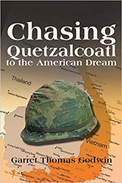
Trick Hartland was born in 1953 to a Navajo mother and a cowboy father. His mother raised him while his father worked. Living in a small town in New Mexico, Trick didn't have many people to play with, so he spent much of his time with his imaginary friend, Carlos. Later, he would find his first girlfriend in Little Dove. Trick always enjoyed the outdoors and was an athletic teen, which led to his decision to join the Marines after school. He served in Vietnam and ended up with a special group of Green Berets working in the opium business. When that ended in bad blood and murder, Trick decided it was time to return to America and leave the military. Little Dove was also returning to their hometown from L.A., and the two eventually married. Little Dove worked and took care of the home while Trick was trying out majors and taking up with a medicine man. Eventually, Trick became fascinated with Mormonism. His constant neglect of Little Dove led to their divorce. Trick would eventually find a career in pharmaceuticals, and, on an extended trip where he decided to visit some early Mormon sites, he ran into a man who swore to kill him years ago in Vietnam.
Godwin's novel centers around the protagonist's quest for identity. Early on, it is reminiscent of Remarque's coming-of-age wartime novel, All Quiet on the Western Front. However, rather than recount the horrors of war, Trick seems to enjoy himself. In fact, the first half runs remarkably parallel to Ron Kovic's Born on the Fourth of July. For example, both stories have young protagonists heading into one of America's most troubling wars, yet their experiences are dramatically different. The main difference is that Godwin's protagonist questions very little. It is an interesting trait in the character as he later spends so much of his time searching for something. However, his search always appears rather superficial, thus matching one of his other main character traits.
Godwin's writing is easy to follow and is constantly pushing the plot forward. Readers interested in a character searching for identity in America after surviving Vietnam will find this book a quick and focused read. The narrative loses some effectiveness in key moments, such as when Trick has a moment of enlightenment or revelation. For instance, in the protagonist's visions of Mormon leaders or when the Lord says he will return in fourteen years, the simplistic language and tone tend to undercut the importance of the scenes. The book's best parts are the research and care put into Trick's time in Vietnam and neighboring countries and how involved and confusing the power struggle was, which pulled millions from the opium trade to fund rebels and field soldiers. Readers interested in that side story about Vietnam will thoroughly enjoy this part of the novel. Trick's early development during wartime and then his attempts to reconcile his past deeds and the pull from his different ancestries while trying to figure out what his American dream looks like will likely engage a wide range of readers.