
 |
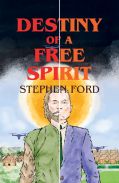
As a young man, Peter is a bit different from his friends. Not as interested in socializing or the tethers of technology, his interest lies in the Ecology Reservation, a government-isolated area where ancient predators roam, and even people, living simply and primitively, get by without modern comforts. A chance discovery of an underground tunnel that will carry him into the Ecological Area grants Peter a chance at a double life. If he were ever found out, it would be disastrous for him, but he can't deny the pull he feels in each direction: his freedom in one, and his friends, job, and wife-to-be in the other. As the truth about the powers that govern his world begins to take shape, Peter's choice becomes more of an imperative; no matter which side he resides on, he must irrevocably give up a piece of his life.
Most dystopian fiction, especially that which imagines a post-nuclear fallout society, portrays its survivors living in squalor, eking out the bare minimum of their necessities. The world crafted by the author of this story is radically different and refreshing. Even though the specters and shadows of The Commission loom large, neither those in the Ecological Reserve nor the dwellers of the Economically Organized Areas are deprived in a way any different from natural human history. It puts the struggle of humanity to thrive and to flourish, not just physically but creatively, into contrast, and asks the reader to dare to make their own choice between comfort and increased autonomy. The fiction of this story is daring and exciting, providing ample entertainment while remaining grounded in its audience's reality. The result is a thought-provoking and addictive read.