
 |
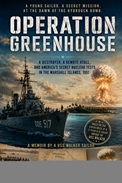
Author Siko vividly recalls his service in the United States Navy in the early 1950s, when, as a young man, he witnessed highly secretive Cold War events centered on developing nuclear weaponry. Fresh out of high school, he and his mates were assigned to the USS Walker, deployed to the Pacific's Enewetak Atoll, and soon ordered to write a letter home explaining that, during the forthcoming assignment, they could not communicate with family. At first, the project, Operation Greenhouse, seemed routine—standing watch, cleaning the ship, and obeying all daily orders. The alluring seaside allowed Siko and his comrades to swim happily along the shorelines, while noting that even small boats, and most especially a Russian fishing boat, were guided away by the Walker, reminders of the complex perils of the Cold War.
During the first nuclear test, named Shot DOG, the crews sat on deck, facing away from the nuclear blast that was to come. The heat and bright light were intense. When finally allowed to look at the explosion, which lifted tons of coral and soil into the sky, Siko pronounced it as "unlike anything human beings had ever created." The sailors were immediately assigned to swab the decks to wash away the inevitable radioactive fallout. There would be three more such initiatives, further participation in the Korean War, and, for Siko, abiding recollections of "youth, duty, friendship, and service."
Siko served two tours of duty in the Korean War, then devoted forty years to manufacturing operations management. He now offers readers a straightforward, evocative portrait of young soldiers facing the horrific traumas of war while maintaining a laudable cohesion of comradeship and courage. His work will doubtless attract all who have served their homeland in times of war, and all those whom they have protected.
RECOMMENDED by the US Review