
 |
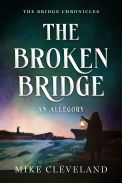
The villages on the east and west sides of the Vitae River are joined by a stone bridge. The two villages live rather harmoniously, and the bridge serves as the symbol of their unity. Fidel and Verita are preparing to exchange marriage vows at the bridge's center. On the morning of their ceremony, an earthquake hits and the river runs wild, shattering the bridge and making any boat crossings unachievable. The villagers fall into despair, but each night Fidel and Verita use lanterns to communicate their continued love and devotion to one another.
Over the course of six years, several bridgebuilders/prophets come through Fidel's village and persuade the villagers that following their teachings will bring them success in building a new bridge, but all attempts end in despair, and some even cost lives. When a seventh stranger arrives, the villagers are wary, and some plot against him. Will this man be another in a long line of dashed hopes?
Cleveland's Christian allegory is well-written and paced throughout. Following the example of John Bunyan's The Pilgrim's Progress, the characters are named for the main trait they represent. Cleveland's telling also sets the story in a time without electricity and power tools, but the use of modern language makes this allegory very accessible. He effectively constructs his misleading "saviors" before exposing the flaws in their worldview and the ultimate failure of each attempt to "build the bridge." His Christ character models the Gospels in a practical manner and sets up a moving crucifixion scene. Christian readers looking for a book to complement their faith will find this one highly rewarding and shareable with their friends.