
 |
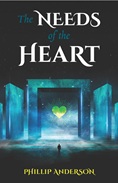
This book explores the emotional connections that happen between people. The author's reflections emphasize the importance of being present and living in the moment. At the same time, the book recognizes that humans have two capacities: to be present and engaged, and to approach things from afar and with reason. In these thoughtful essays, the author explores the human heart and all its capacities for love, hate, negativity, and hope. These thought-provoking pieces encourage readers to pause and reflect on their own lives and what they take from each day's interactions and the time they are given.
One of the most insightful essays is the initial one, "Love." In "Love," the author explores the concept of negativity and how love counters it. The author explains, "For the power love holds is that it is the driving force behind all that we do." This particular chapter discusses love's transformative power. It also acknowledges that love is deeply misunderstood, since it is both "raw" yet "sophisticated." The author also offers another intriguing piece of advice about love: to fully understand it, one must let go of conventional ideas and discover it for themselves.
The chapter titled "Unity" is another thought-provoking chapter. It opens with the necessary question, "What is it about Unity that scares most of us?" The chapter explores when—and most importantly, if—humanity can ever reach a point where individuals no longer judge others based on race, gender, cultural differences, etc. In a world so divided, this chapter offers another significant question: "Where can we find unity?" The author emphasizes that unity happens because of people: "Unity is always found amongst the people, not the things we create." This statement truly embodies the book's core idea about how focusing on the emotional connections that happen between individuals can be used as a unification tool, rather than a divisive one.
Strength is another trait the book carefully explores. This chapter opens with questions like "What is it that drives us?" that feel more pertinent than ever amid mass upheaval, economic instability, and political strife. The chapter asks its audience to look at the causes, things, and people in which they invest their time and ask, "Did it further advance us down the path we were meant to go on? Did it propel us to become the person we were meant to become?" The chapter emphasizes, too, the importance of looking back on one's youth as one grows older and asking these questions, because they become more and more important to understanding oneself as one ages.
This is a thought-provoking, philosophical, and deeply personal series of essays. The rhetorical questions sprinkled throughout each chapter encourage people to sit and think about their own lives, their actions, and their interactions with others. People can carry the encouragement they find in this book with them each day as a reminder of their purpose. Most of all, these chapters can help their audience build positive relationships with themselves and others to create what the world needs most right now: unity.