
 |
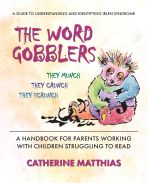
The Word Gobblers: A Handbook for Parents Working with Children Struggling to Read
by Catherine Matthias
Square One Publishers
While the development of reading skills is often an individually paced and tailored journey for children, there are unfortunately also obstacles and setbacks that can make the process more painful for some, even literally. The focus of this book is on one such condition: Irlen Syndrome, which creates visual distortions and distractions that can make reading the traditional, high-contrast black text on white pages a challenge or even an impossibility. Through the use of screening and the assignment of personally tailored colored overlays, those who struggle and may not even know or have heard about Irlen Syndrome can become stronger, more confident readers in a relatively short amount of time. This book focuses on children and their families, helping parents and teachers determine whether a child's struggles with reading or reading development have a deeper cause.
While the book focuses on children, the text is directed toward parents and caretakers, helping them look for symptoms and ask the right questions to determine whether an Irlen screening would be beneficial. The book includes useful sample and example pages in the middle that adults can use to present to their children, avoiding the need to purchase or source supplemental materials, while the cute characters and visual representations support communication and diagnosis. The stigma and shame that follow struggles with reading lead many people to turn inward and avoid discussing or describing their experience, so this book aims to raise awareness and offer a solution that, for some, could unlock an ability they didn't even know they had.
By its look and presentation, this book aims to be an approachable, unintimidating experience not just for its core audience of parents, but for children who may already be wary or uncomfortable around books and reading. The descriptions and samples provided do a direct and powerful job of illustrating what those with Irlen Syndrome may be experiencing, though readers are cautioned to use these only as examples and to leave diagnosis and treatment to professionals. That said, the questions and conversations this book intends to open are ones all parents can engage with to better understand their child's developmental level and their emotional relationship to the academic environment, curriculum, and even bullying from peers.
With children in particular, communicating the symptoms and root cause of a behavior is especially challenging because they may not be able to describe their experience clearly or even realize that they see the world differently from someone else. This book focuses on education and gently opens dialogue, setting the expectation that even if young ones can overcome a frustrating and embarrassing experience, they may also concoct an answer to make their parent happy or to leave and do something else. The methods and subject matter are gently broached, encouraging both sides to be receptive to what is being said and to look for subtle signs of improvement. Fascinating and illuminating, the knowledge on offer in this book could prove to be a huge eureka moment for both children and adults alike.