
 |
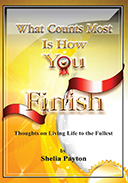
Author Payton offers readers a powerful philosophy developed over years of putting her words into action. Step by step, she absorbed her parents' exhortations to refuse to be pushed aside because of her race and to overcome any discouragements that could lead to withdrawal and inaction. Through her younger years in the 1950s, when racial integration was not yet fully accepted, she endured physical attacks and verbal disparagement, yet, when she graduated from high school with honors, some of her former tormenters led the applause.
Attaining employment in her chosen field of journalism, she followed an upward trajectory, inspiring her to share her wisdom, as she here recounts the rewards of "being who I am." Her advice includes remembering the golden rule of treating others as one would wish to be treated, accepting setbacks as part of the path to moving forward. and cultivating positive thinking, which benefits both mental well-being and physical health. One of the many sterling examples depicted is South Africa's Nelson Mandela, who, despite years of harsh incarceration, earned a bachelor's degree in law and would later lead his country and receive the Nobel Peace Prize. Throughout her wide-ranging, enthralling treatise, Payton expertly reminds readers that, although one may not succeed in all endeavors, there are positive lessons to be gleaned from each for future accomplishments.
Payton, with a bachelor's degree from Syracuse University and a master's degree from the University of Wisconsin-Milwaukee, is noted both for her well-honed journalistic skills, as demonstrated here, and for her numerous works of civic and social improvement, especially those focused on opportunities for women and people of color. Her thoughtful, well-considered advice can offer hope and help to others who wish to follow her suggestions for life's challenges and treat them as food for contemplation in future undertakings.