
 |
When Lucy's best friend and magic partner, Van, is found dead in a sawing box with a black rose, she knows Van's killer is after her, too. The black rose resembles the one Lucy was given as a child, and the sawing box is her worst nightmare. For Van and herself, Lucy investigates Van's murder despite warnings from official Atlantic City investigators and her loved ones. She designs a special magic show to lure the killer to her and expose him after exhausting all her leads. Her search yields deepened friendships, new strengths, and the truth about her past.
From the initial scene, in which the protagonist anxiously waits for Van to show up and play her part in a magic act, the book's drama resides in the unknown. The mystery of Van's death tops a heap of secrets about the men Van, Lucy, and their third musketeer, Stormie, work with (and crush on or hate in turns) at theatre, about Atlantic City and the Pine Barrens, and about Lucy herself. Mystery perpetuates when characters often answer questions with questions. Lies and deceit abound in the world of roleplaying and theatre the book depicts. Costumes and hoodies, shadows and adopted names cloak each of the characters in dual, and sometimes multiple, personas. Is one true and the others fake? Then there's the magic, such as the ghost that follows Lucy around, card tricks that behave more like spells, and the real and imagined curse of mental instability due to generations of abuse and torture.
While plenty happens (Van's is one of several similar murders), the book's appeal lies not in acts of passion and violence but in a carnival-like atmosphere of constant, layered bewilderment. Lucy narrates most of the book, with Little Nick's elusive perspective occasionally offsetting it. Lucy's voice is strident and independent. She hates being contained in any box, literal or figurative. She practices martial arts. She forges into dangerous situations to achieve her objective. Nick's voice is darker, in the shadows of the main scenes, haunted by a disturbed grandfather whose words and mindset become his own, no matter how much he resists. Nick inhabits the lore of the Jersey Devil and the gangster underworld. Just out of reach, Little Nick represents the height of intrigue that the other men in the book reflect in their mix of charming allure and vanity. The contrasting voices contribute to a developed and varied cast.
Intimate settings create an eerie and tantalizing ambiance. Back rooms in an old building, late-night forest walks, and early-morning beach strolls make for close encounters. The book is set in Atlantic City but is informed by Gaelic myths, indigenous culture, and local history. Based on real characters and real tricks, the book is both informative and entertaining. Exhaustive research feeds a complex tale. The novel's percussive, short sentences and lyrical sequences, portraying confused mindsets through visceral imagery, match its blend of fantasy and reality. The resulting tone is haunting throughout.
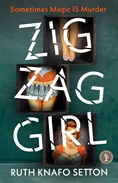
The term "ZigZag Girl" describes how someone, usually female, looks inside a sawing box. The image suits Lucy, the book's heroine, champion of getting herself both into and out of uncomfortable situations. The magic of this book is following Lucy's belief in herself, inspiring others to follow her example, regardless of how uncomfortable it is.
RECOMMENDED by the US Review
A 2026 Eric Hoffer Book Award Category Finalist